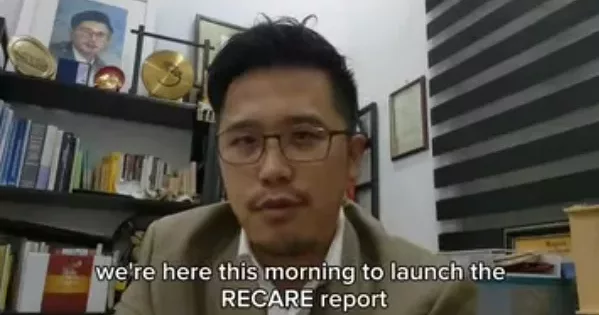


Nazreen Nizam, Executive Director of Women’s Aid Organisation (WAO), the original host institution of the RE:CARE Project, spoke to Dina Murad from the Star on the importance of supporting care workers, highlighting key recommendations made in the report, “Towards a Resilient Care Workforce: Lessons from COVID-19 in Malaysia”:
As demand for care grows, she says, stronger systems will be needed not only for social protection but also to sustain workforce participation and economic resilience.
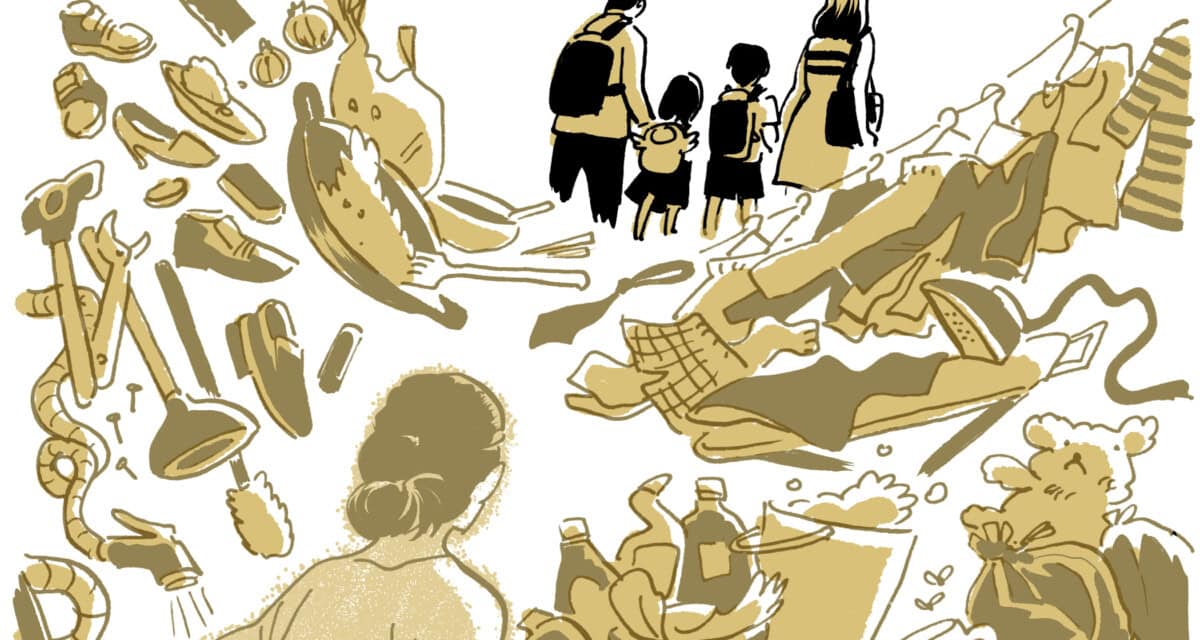
A key focus should be recognising, reducing, and redistributing unpaid care work.
“Investments in accessible childcare, eldercare, and community-based services can help ease the disproportionate burden on women and support their participation in the workforce,” Nazreen says.
She adds that labour protections for care workers, including domestic workers and those in informal roles, must also be strengthened to ensure fair, dignified, and safe working conditions.
At present, Malaysia’s care ecosystem is spread across multiple ministries and agencies, which can lead to gaps in coordination. Clearer governance, measurable targets and consistent monitoring will be important to ensure policies are carried through.
Nazreen also stresses that reforms should benefit those who carry the heaviest responsibilities, including low-income households, informal caregivers, migrant care workers, and families caring for older persons or persons with disabilities.
Moving forward, she says Malaysia will need to invest more in care infrastructure, including affordable childcare, eldercare services, and support for caregivers.
Expanding social protection measures such as flexible work arrangements and caregiver support programmes would also help sustain families and communities. In addition, improving data collection on unpaid care work is essential to better inform policies and ensure that care responsibilities are more equitably shared across society.
“Building a sustainable care ecosystem requires shifting how society understands care. Care should not be treated solely as a private responsibility borne within households, but as a shared societal responsibility supported by public policy, services, and fair labour standards,” says Nazreen.
“When care systems are properly supported, the benefits extend far beyond families – they will strengthen workforce participation and contribute to healthier and more resilient communities.”
This excerpt is from an article authored by Dina Murad. To read the full article, please visit the Star. To explore the recommendations raised in this excerpt, read our full report available at https://recare.my/report/.