

The care workforce is the backbone of any society—but in Malaysia, it remains undervalued, underpaid, and largely invisible.
Who makes up the care workforce?
In Malaysia, the paid care workforce includes domestic workers, cleaners, childcare providers, eldercare workers, hospital support staff, and others in roles that involve looking after people, homes, and spaces. The majority of these workers are women, who face insecure working conditions, long hours, and minimal protections. Their work is vital—enabling others to work, live with dignity, and access healthcare—but their rights, wellbeing, and working conditions are often left out of national policy conversations.
Why does it matter?
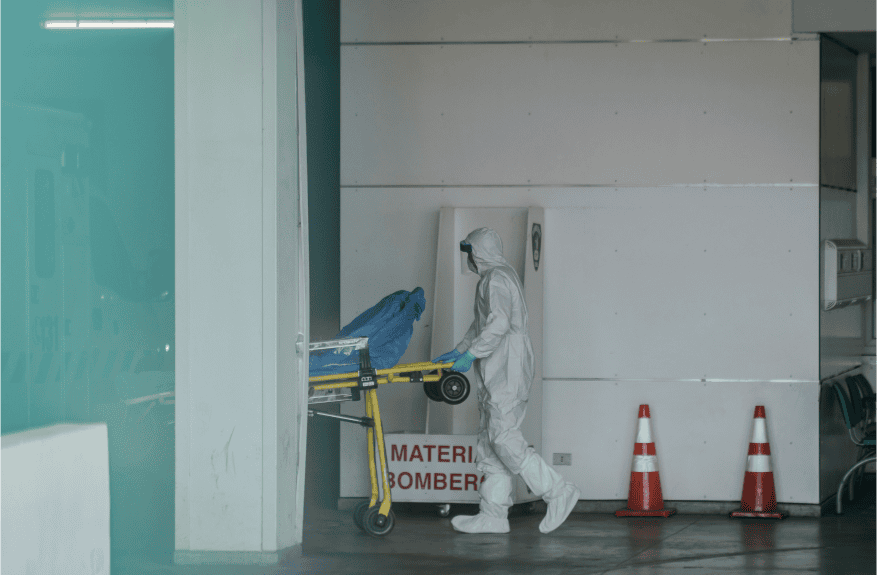
The COVID-19 pandemic highlighted how much we all rely on care work. But it also exposed deep inequalities—care workers faced heightened risks with little protection, job security, or recognition. As Malaysia rebuilds, we have a chance to reimagine a future where care work is not just essential, but properly valued and supported.
What did we learn through RE:CARE?
Our research shows that care workers in Malaysia often experience:
- Low pay and lack of social protection
- Limited opportunities for training or career progression
- High levels of burnout and stress
- Gaps in labour and health policy coverage
- Little say in decisions that affect their work and lives
- A lack of sufficient support managing their unpaid care responsibilities
But we also saw care workers’ strength, solidarity, and deep commitment to the people they care for. Through RE:CARE, care workers became researchers, shared their experiences, and helped shape the evidence. This project puts their voices at the centre—not just as subjects of research, but as leaders in the call for change.